
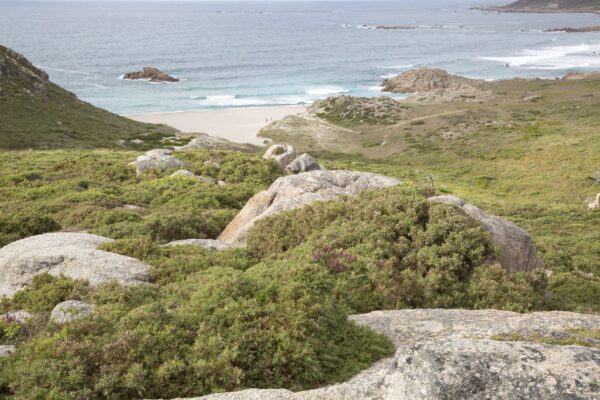
Along the southern coast of South Africa, Garden Route National Park forms a large protected area that connects forest, coastline, rivers, and marine zones under one conservation system. The park exists to protect biodiversity, manage human access, and preserve natural processes across land and sea, while allowing controlled movement through defined routes and landscapes.
Geographic Position and Park Structure
Garden Route National Park is located along the southern coastline of South Africa. The park stretches across a long coastal section and includes both land and marine environments. It combines areas that were once separate protected zones into one continuous conservation system.
The park includes forest regions, coastal cliffs, sandy beaches, rocky shores, lakes, rivers and offshore marine areas. This structure allows protection of ecosystems that depend on each other. Rivers flow from forested mountains to the sea, and marine systems connect back to coastal habitats.
Boundaries of the park follow natural features in many areas. In other places, borders align with historical conservation limits. Access points are controlled, and movement is restricted to marked paths, roads, and approved zones.
The park does not function as a single open space. It is divided into management sections, each with a specific environmental focus and access rules.
Natural Ecosystems and Landscape Types
Garden Route National Park protects several different ecosystem types within one region. Forest areas include indigenous trees adapted to humid coastal conditions. These forests grow in sheltered valleys and mountain slopes where rainfall is higher.
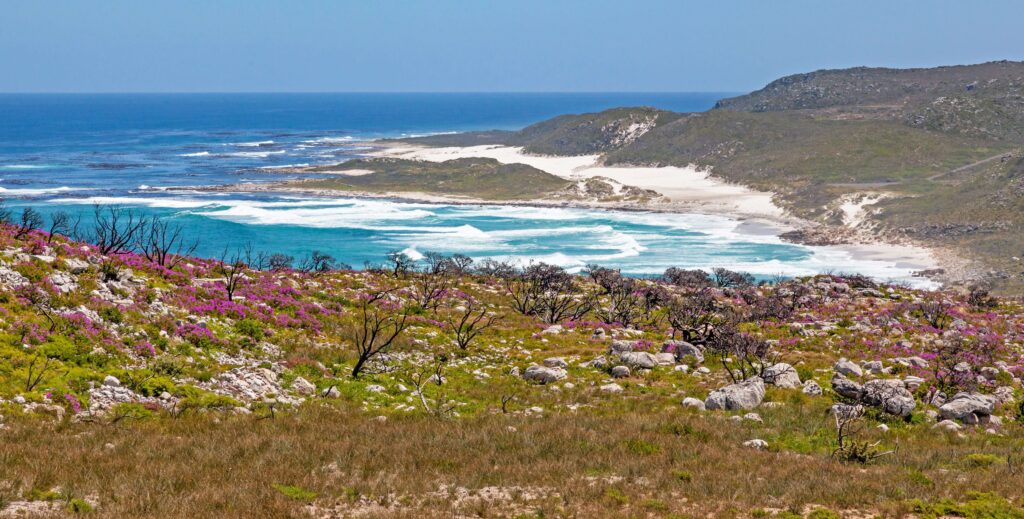
Fynbos vegetation appears on drier slopes and exposed areas. This plant system includes low shrubs and flowering species adapted to wind, fire, and poor soil. Along rivers and wetlands, plant life changes again, with reed beds and water–dependent species.
Coastal zones include beaches, dunes, rocky shores, and tidal platforms. These areas are shaped by wave action and tidal movement. Offshore marine sections protect reefs, fish habitats, and breeding areas.
Main ecosystem types include:
- Indigenous forest and woodland zones.
- Fynbos and coastal shrub areas.
- River, wetland, and estuary systems.
Climate Conditions and Environmental Influence
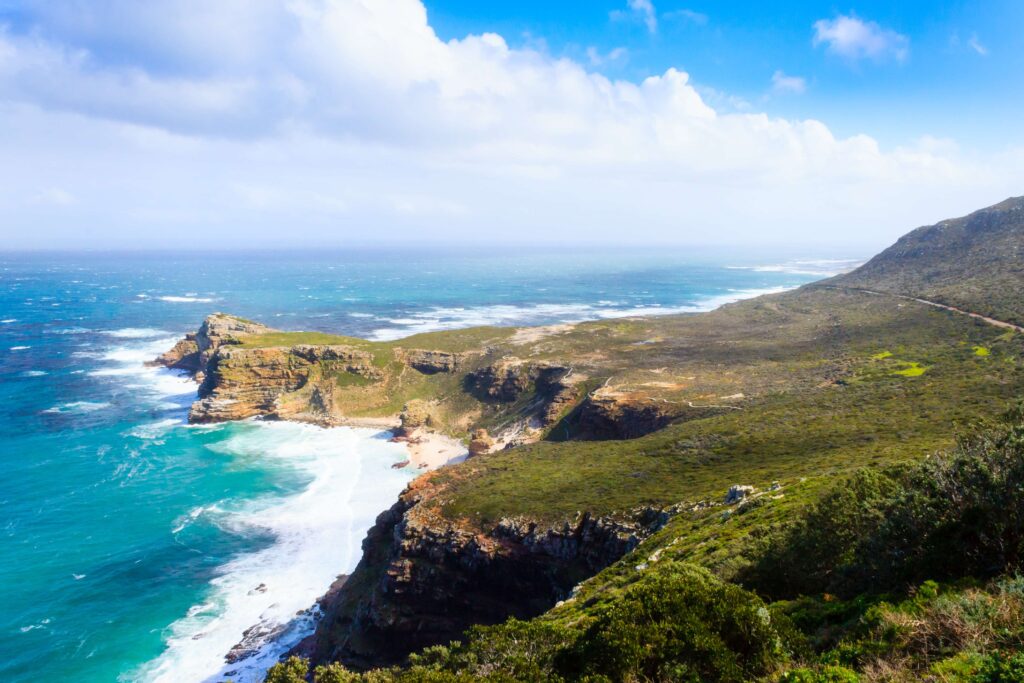
The climate in Garden Route National Park is changed by the ocean nearby. Weather can change fast—rain, mist, wind, and sun can come in a short time. Coastal wind is normal and makes the temperature feel different.
Rain comes all year, but more or less depends on the season. Forests get more water; open hills dry faster. Summer and winter are not very different in temperature, but still plants and water flow feel the difference.
Storms can change river levels and coastlines. Heavy rain upstream makes rivers bigger and can change estuaries and seawater quality. These natural processes stay part of the protected area.
Climate also shapes the daily life of animals and can change how people can walk on trails.
Wildlife Presence and Biodiversity Value
Garden Route National Park has many animal types. Small antelope live here, also some monkeys and night animals, which like forest cover. Big animals are fewer because more land is used by people and the forest is not so big.
Birds are many here. Forests, wet places, and coasts–all have different birds. Some birds need food in the right season and a safe place for a nest. Sea animals are also here. Fish, small sea animals, and some big ocean animals travel near the coast.
Reptiles and frogs live in wet parts and on forest floors. Insects are important–they help flowers and keep nature balanced. The park value is not many big animals but many different ecosystems and how species live together
Conservation History and Management Goals
Garden Route National Park was formed through the combination of earlier protected areas. This approach aimed to improve ecological connectivity and simplify management under a unified system.
Management goals focus on habitat protection, erosion control, invasive species management, and regulated human access. Fire management plays an important role in maintaining fynbos systems, while forest areas require different protection methods.
Marine sections are managed to protect breeding zones and fish populations. Fishing and boating activities are controlled according to conservation rules.
The park functions as a long–term ecological protection zone rather than a recreational area. Visitor access exists, but conservation objectives remain primary.
Human Access and Use Regulation
Access to Garden Route National Park is controlled through defined entry points and rules. Movement is allowed only in designated areas, such as trails, viewpoints, and approved water zones.
Infrastructure is limited. Roads, paths, and facilities are designed to reduce environmental impact. Large–scale development is avoided to preserve natural processes.
Trail use follows fixed routes. Walkers must remain on marked paths to prevent erosion and habitat damage. Overnight stays are allowed only in designated locations.
Access regulation includes:
- Defined entry and exit points
- Restricted movement outside approved zones
- Environmental rules for waste and water use
These controls support long–term sustainability and safety within the park.
Role of the Park in Regional Conservation
Garden Route National Park is crucial for South Coast nature protection. It connects mountains with sea, so water and nutrients can move naturally.
Parks help make the climate strong. Forests and wet places protect water systems. The coast is also safe–less erosion, and nature makes a buffer for storms.
Regional biodiversity benefits from habitat continuity. Species can move across connected zones rather than remain isolated. This structure supports genetic diversity and ecosystem stability.
The park also functions as a reference area for conservation planning, showing how mixed land and marine protection can operate together.