
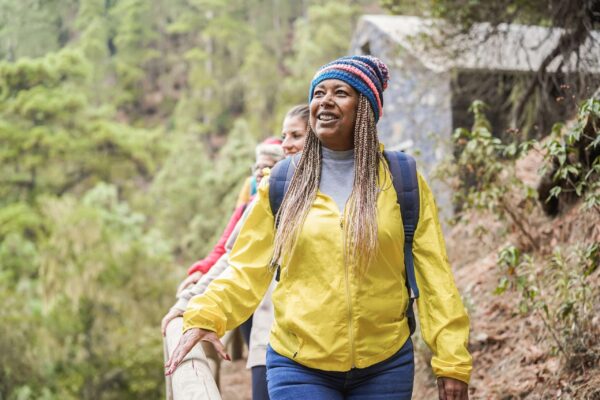
Walking long distances during periods of high temperature places strong pressure on the human body and changes how movement, rest, and decision–making work on the trail. Hiking in hot weather happens in many regions and seasons, and it requires understanding of heat effects, water balance, timing, and personal limits to avoid health risks and physical collapse.
How Heat Affects the Human Body During Hiking
Heat influences the body from the first minutes of walking. When temperature rises, the body increases sweating to cool itself. This process uses water and minerals. If lost fluid is not replaced, dehydration begins. At the same time, heart rate increases because blood moves closer to the skin surface for cooling.
Muscle efficiency drops in hot conditions. Energy use increases even at lower walking speeds. Fatigue appears earlier than expected. Concentration can decrease, which affects balance and decision–making.
Heat stress develops gradually. Early signs include headache, dizziness, unusual tiredness, and confusion. These signs are often ignored because walking continues. Without correction, heat exhaustion or heat–related illness may follow.
Environmental heat combines with physical effort. Direct sun exposure, wind absence, and reflective ground surfaces increase temperature effect. Humidity also reduces cooling efficiency because sweat evaporates slower.
Planning a Hiking Activity in Hot Weather Conditions
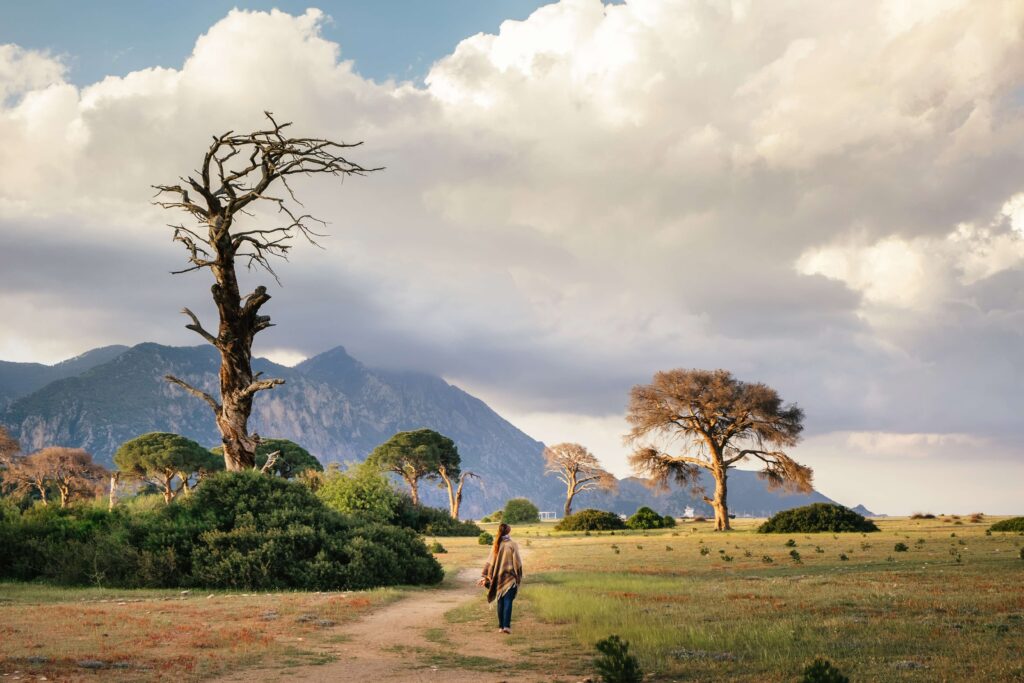
Planning becomes more important when hiking in hot weather. Route choice, timing, and load must adjust to temperature conditions. Walking during the hottest part of the day increases risk and reduces efficiency.
Early start times are common in hot regions. Morning time is cooler and more calm. At midday you usually need to walk slowly or rest longer.
When planning a route, think about shade, water, and a way out if there’s a problem. Trails with long exposed sections demand more water and sun protection. Elevation gain also increases heat load.
Load weight matters. Heavy packs raise body temperature faster. Only essential equipment should be carried. Clothing choice affects heat retention and evaporation.
Key planning elements include:
- Early start to avoid peak heat hours
- Route selection with shade and water access
- Reduced load and simple equipment
These elements lower heat impact but do not remove risk completely.
Hydration and Water Management on the Trail
Water is essential when hiking in hot weather. The body loses water from sweat, even if you walk slowly. Thirst does not always indicate dehydration.
It is better to drink a small amount of water many times than a lot of water rarely. Electrolytes are important–sweat takes salt and minerals. Only plain water for a long time can make body balance wrong.
Water from nature must be clean–filter or treat it. Natural water can have germs or dirt. In hot weather, the risk of getting sick is higher because the body is weaker.
Too much water is also bad if you forget electrolytes. Need balance, not just to drink much.
Signs of dehydration–dark pee, dry mouth, less sweat, muscle cramps. Fix it early so there is no serious problem.
Pace Control and Energy Use
Pace management changes in hot weather. Fast movement raises internal temperature quickly. A slower pace allows better heat control and lower heart strain.
Short, frequent breaks help cooling. Removing the pack and opening clothing improves airflow. Shade use becomes critical, even for brief pauses.
Energy intake should be adjusted. Heavy meals increase metabolic heat. Light food eaten regularly supports energy without overload.
Important PACE principles include:
- Slower speed with steady rhythm.
- Regular short rest periods.
- Immediate response to heat discomfort.
Clothing and Sun Exposure Management
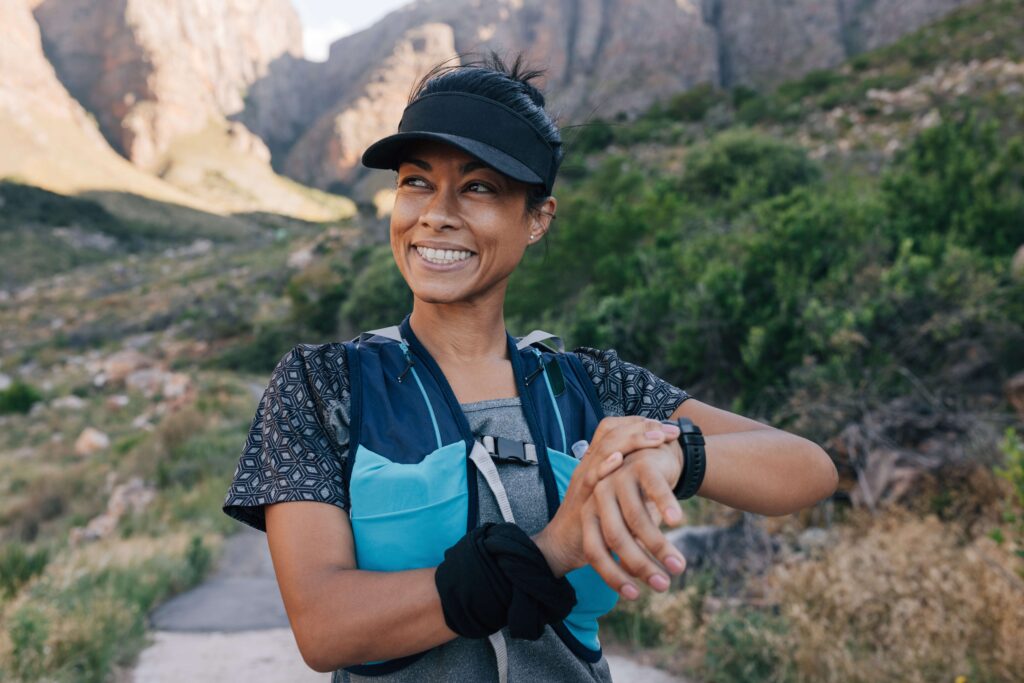
Clothes choice is crucial for heat. Light–colored cloth reflects the sun better than dark. Loose clothes let air move and sweat dry.
Head covers help reduce sun on skin. The neck and face lose heat fast and burn easily. A simple cover helps the body be less tired.
Synthetic or wool dries faster than cotton. Wet cotton keeps water and makes cooling worse. Shoes should let air in but protect from hot ground.
Sun exposure adds risk beyond heat. Sunburn damages skin and increases dehydration. Long–term exposure also affects energy levels.
Shade use becomes part of movement strategy. Even small shaded areas reduce temperature load significantly.
Recognizing and Responding to Heat Illness
Heat illness develops in stages. Early recognition is critical. Symptoms may appear mild but worsen quickly.
Common warning signs include headache, nausea, confusion, fatigue, and loss of coordination. What to do fast–stop moving, find shade, cool your body, and drink water.
Cooling methods include wetting skin, removing excess clothing, and resting in airflow. Continuing movement while symptoms appear increases danger.
Severe cases require external assistance. Prevention remains the most effective approach.