

Across many protected hiking regions, 3–day hiking trails represent a structured form of multi–day walking where distance, terrain, and overnight points are planned in advance. These routes are designed for walkers who want extended trail exposure without long expedition length, combining daily stages, natural landscapes, and controlled access inside regulated outdoor areas.
Definition and Purpose of 3–Day Hiking Trails
3–day hiking trails are routes that require three consecutive walking days, usually with two overnight stops along the trail. They are longer than single–day hikes but shorter than extended trekking routes. The structure helps walkers move steadily through the area and at the same time reduces body overload and pressure on nature.
These trails you can find mostly in protected mountains, coasts, or forest areas. The route layout is fixed, and walkers follow a planned path from start to end without returning to the same point each day. Overnight locations are placed according to walking capacity rather than comfort or speed.
The main purpose of a 3–day hiking trail is landscape transition. Walkers experience changes in terrain, vegetation, and elevation across several days, not just hours. This format supports observation of natural systems over time, including weather shifts and the daily rhythm of the environment.
Route Design and Daily Stage Planning
The 3–day hiking trail is designed with stages. Each day has a certain part of the route and ends at a fixed overnight place. Distance can change because of hard terrain, height difference, and safety.
Days are not the same in length. One day can be mostly going up, another day walking on ridges, and another day going down or through valleys. This way, body load spreads and repeated stress is less.
Trail makers think about access control, erosion, and water. Paths try to avoid sensitive nature and follow old corridors. River crossings, steep parts and open ridges are put where nature allows safe walking.
Typical structural features include:
- Fixed start and end points with no loop return
- Overnight locations placed after major terrain sections
- Clearly marked paths with limited navigation choices
This structure allows predictable movement while keeping the experience dependent on natural conditions rather than artificial control.
Environmental Conditions and Terrain Types
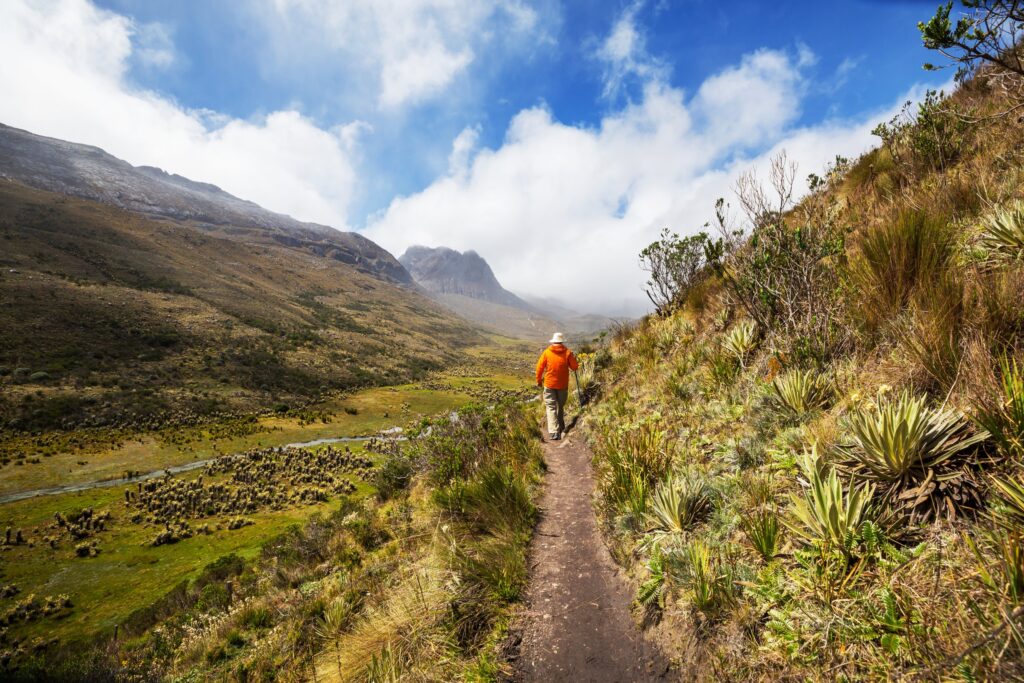
3–day hiking trails pass through multiple terrain zones. Forest paths, rocky slopes, open ridges, river valleys, and grassland sections may appear within the same route. Terrain variation is one reason why the multi–day format is used instead of a single long hike.
Weather can change with place and height. Wind is strong on ridges, but valleys feel warm and humid. Rain makes ground wet, rocks slippery, and soil not stable. Different temperatures in seasons change how people walk each day.
Natural obstacles form part of the trail experience. Steep ascents, narrow paths, and uneven footing require attention. The trail remains natural rather than engineered, with limited artificial steps or barriers.
Environmental rules apply to reduce impact. Walkers must stay on marked paths, use designated overnight areas, and manage waste responsibly. These measures protect soil, vegetation, and water sources.
Physical Requirements and Preparation Level
A 3–day hiking trail requires moderate physical fitness. Walkers carry essential personal equipment and move for several hours each day. The multi–day format tests endurance more than speed.
Body stress accumulates across days. Muscle fatigue, joint pressure, and foot discomfort increase if pacing is poor. Rest management becomes important, especially during overnight recovery.
Basic preparation includes knowledge of walking rhythm, hydration needs, and weather response. No technical climbing skills are needed, but balance and footing awareness are necessary on uneven surfaces.
Key physical demands include
- Consecutive walking days without full recovery.
- Load carrying across changing terrain.
- Adaptation to weather variation.
Emergency access is often limited. Trails are located away from roads, and assistance may take time to arrive. Self–awareness and conservative decision–making are important.
Access Rules and Trail Management
Access to 3–day hiking trails is usually controlled. Entry numbers are limited to reduce environmental impact and maintain safety. Walkers must follow assigned schedules and cannot freely change overnight locations.
Management systems define trail use periods, group size limits, and equipment requirements. These rules exist to protect both users and natural systems.
Trail care is for stopping erosion, not for making it comfortable. Fallen trees, moving rocks, and trail wear are fixed only when safety is a problem. Natural hard parts stay part of the trail character.
Information signage is minimal. Walkers rely on basic route markers and environmental observation rather than detailed instruction panels.

Approved Trail Characteristics and Standards
Trails approved within regulated hiking systems follow defined standards. These standards are not about providing services; they are about safety, protecting the environment, and making sure routes are clear.
Approved trails generally share common features:
- Defined path alignment with erosion control measures
- Overnight locations placed in low–impact zones
- Clear access rules and usage limits
These characteristics support sustainable use over long periods. Approval does not reduce natural challenge but ensures the route fits within conservation goals.
Role of 3–Day Hiking Trails in Outdoor Systems
3–day hiking trails occupy a middle position between day hikes and long–distance treks. They allow extended exposure without complex logistics. This makes them suitable for controlled conservation areas.
From a management perspective, these trails balance access and protection. Fixed stages limit random movement, while limited numbers reduce cumulative impact.
For walkers, the format offers time to adapt to surroundings. Changes in light, weather, and sound become more noticeable across days. This temporal dimension separates multi–day hiking from short visits.